5 mins read
Cardaq Team
money
•youth
•algorithms
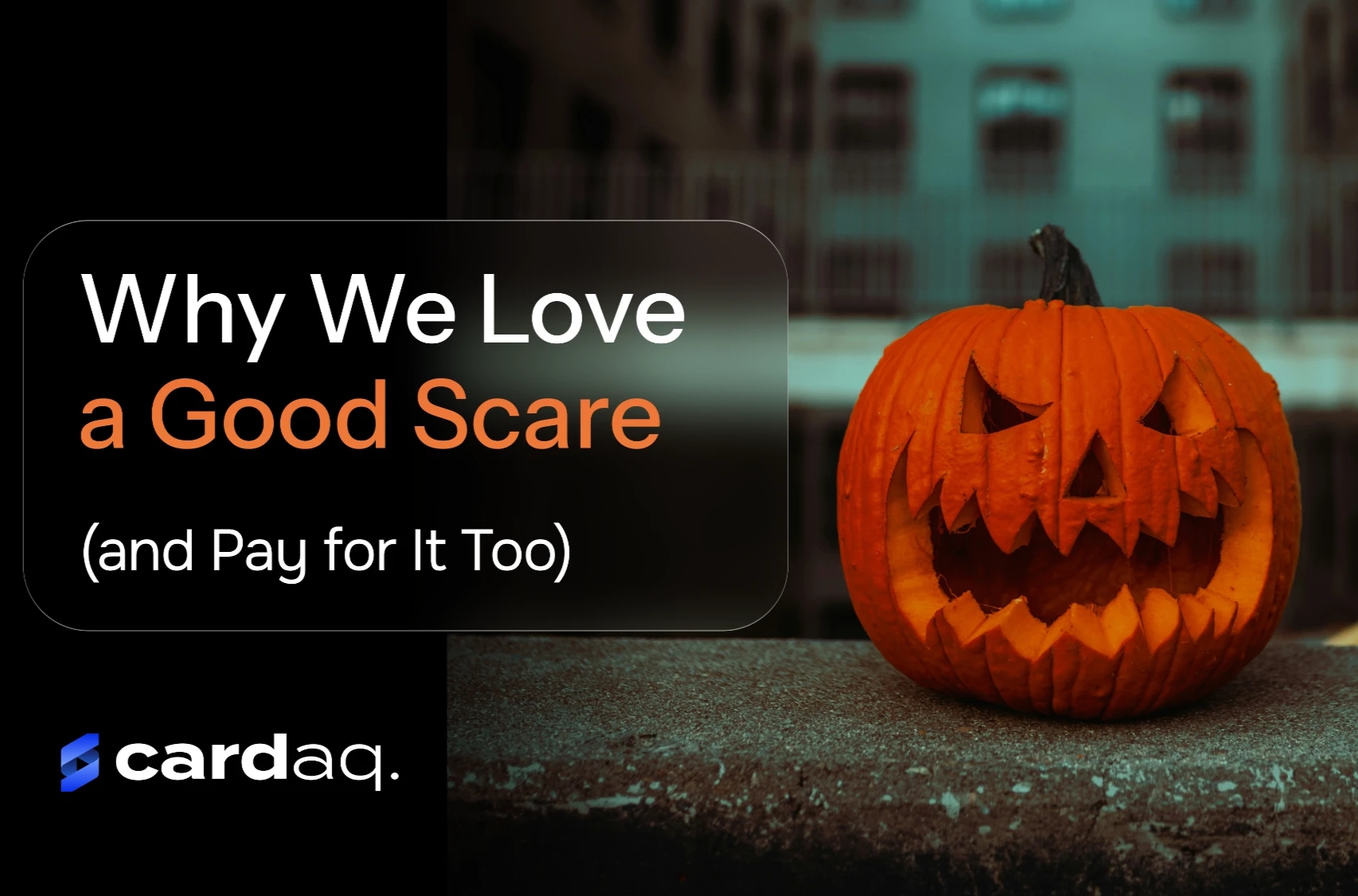
The Economy of Fear: Why We Love Being Scared
Horror is a recession-proof industry. We analyze why fear sells—from haunted houses to thrillers and how we spend on adrenaline.
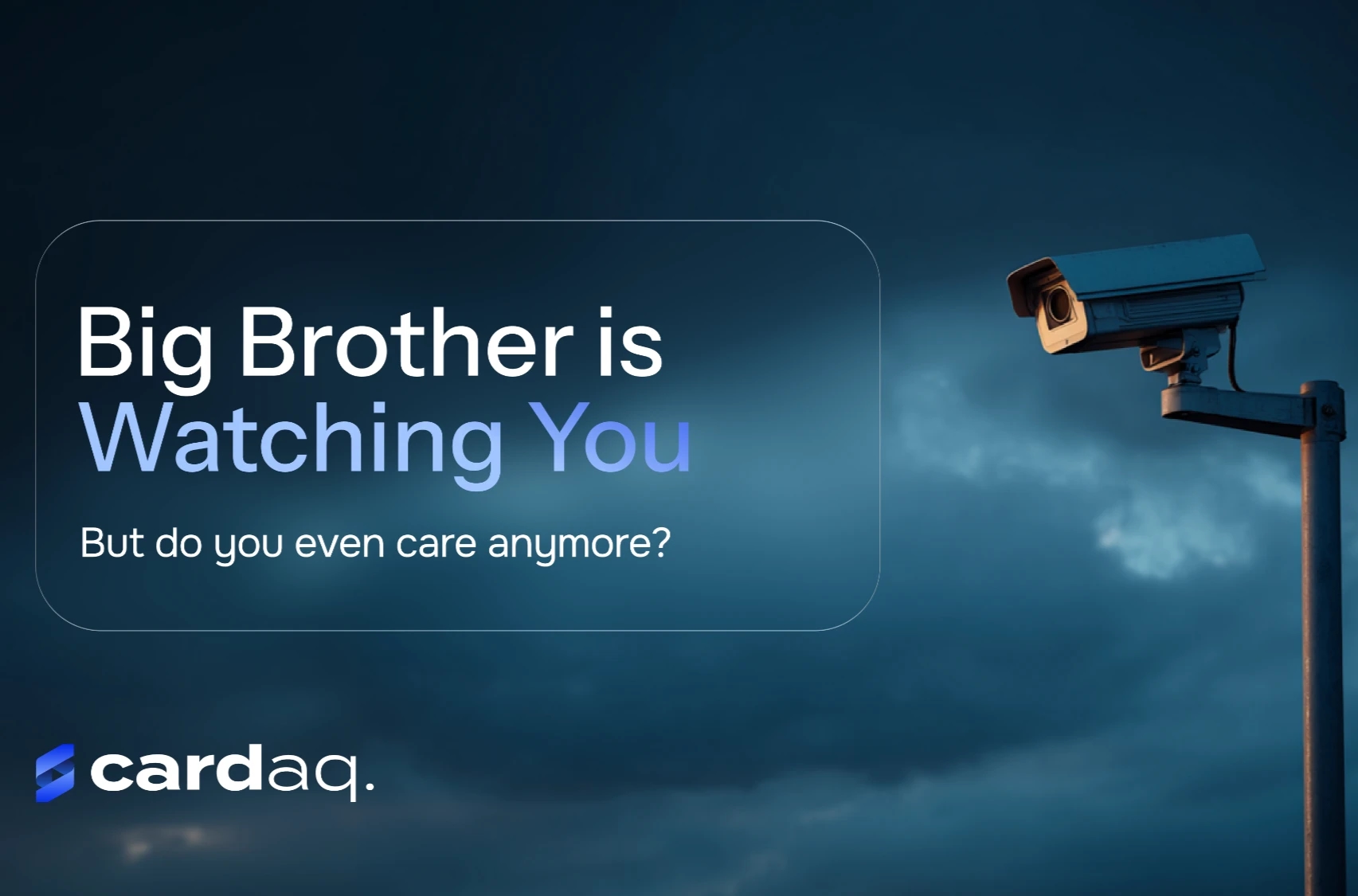
Tired of ads following you? We test if going off the grid stops targeted ads and whether digital minimalism is actually possible.
Cardaq Team
We’ve all that horrible haunting feeling at one point. Home alone one night, maybe with a scary movie on, we feel like we’re not alone. Our imagination starts to run away and we get paranoid about somebody – or something – in the house with us. Classic horror movie vibes.
Except, more of us get that sinister feeling day in day out with algorithms. Imagine you’ve just been chatting about something specific with a friend, like a holiday to Italy. And then the next time you open your newsfeed you’re inundated with holidays for Italy! It’s a bizarre and unsettling feeling and you’ll look around. Who has heard you? Who else is there?
This then leads to fears about the uncanny timing of digital coincidences and how much of our lives are being monitored – and influenced – by tech giants. Is your phone recording you? What about your home assistant device? And what of the social media algorithms that seem to have you meticulously planned out, hitting you with content and adverts that seems eerily spot on?
The truth behind the algorithms
Fortunately, the truth – as usual – is quite benign. The few square inches of screen in your hand are prime real estate and brands around the world are constantly jostling to get your attention here. This has been a hard enough task but the way in which we consume content has left our attention span in tatters. For example, go on YouTube, TikTok or the explore tab of Instagram and you’ll be inundated with short form content and videos ready to grab your attention within milliseconds.
As a result, our behavioural science is now changing in real time. Younger generations are now digital natives and born into a world of social media that is rapidly altering how we receive and consume information. We live digital lives and as a result we’ve never been easier to map online in terms of our interests, tastes, hobbies, desires, fears – all of which can be used by coding experts to influence our behaviour. Millions is now spent on capturing our attention.
That may sound conspiratorial but it’s nothing sinister. This is simply the new battleground for marketing – once it was magazines, billboards, radio and TV, and now it’s the device in your hand. Algorithms are simply a tool used to ensure that brands get the most out of their budgets, and to avoid them wasting money pushing content towards people with no interest in their goods or services.
However, what does this say about tech’s watchful eye?
Big brother is watching you
This is not to say there isn’t something sinister about the omnipresence of technology in our lives. Knowing that tapping something as innocent as a cat video on YouTube could influence an algorithm somewhere that maps out your entire personality and profile is something to get used to. How positive this is will depend on your view of the organisations that own your data and how much you trust them…
If you wanted to disappear from the algorithm’s watchful eye, that is easier said than done. Earlier this year I took part in an algorithm detox where I disabled and wiped clean all my settings across my digital signature, to see how I could live a week without them. I found my attention span improved even though it took me longer to manually find the content or information I was looking for.
Getting completely off the digital grid is much easier said than done, however.
Living digitally free
This means completely shunning all digital services and living in a fully analogue way. Shopping completely in person. Paying for everything in cash. Not engaging with social media or digital news in any way. Relying solely on (and here’s an ancient term) terrestrial TV and not using streaming platforms. Going without Uber or other rider hail solutions. Avoiding the use of Google Maps to travel or look up locations.
This all sounds extreme and is a lifestyle much better suited to a fugitive on the run. It’s also highly impractical – we simply live digital lives now and trying to work around these systems can be incredibly inefficient. We’re also now socialised against this. Such behaviour is viewed suspiciously, as is if you meet someone who has no social media accounts or digital footprint. Take a non-smartphone out of your pocket in a café and people will assume you’re a drug dealer.
Can’t live with the technology, can’t live without it. This is why the hit Netflix series ‘Black Mirror’ has been such a hit as the horrifying scenarios it portrays are never a million miles away from the way we live now. Often these episodes show us vividly what happens when technology takes over our lives and how there often isn’t any room for ethics or humanity. Of course, that’s a TV show and fiction. You’re not being haunted by algorithms, ghosts don’t exist and there isn’t a killer hiding under your bed. It’s easy to get carried away around Halloween and be scared by horror movies.
But, in the same way we’re scared of the dark even though we know there’s nothing in it, can the same be said for the devices in our pockets and the way they’re using our data?