fintech
•transactions
•trends
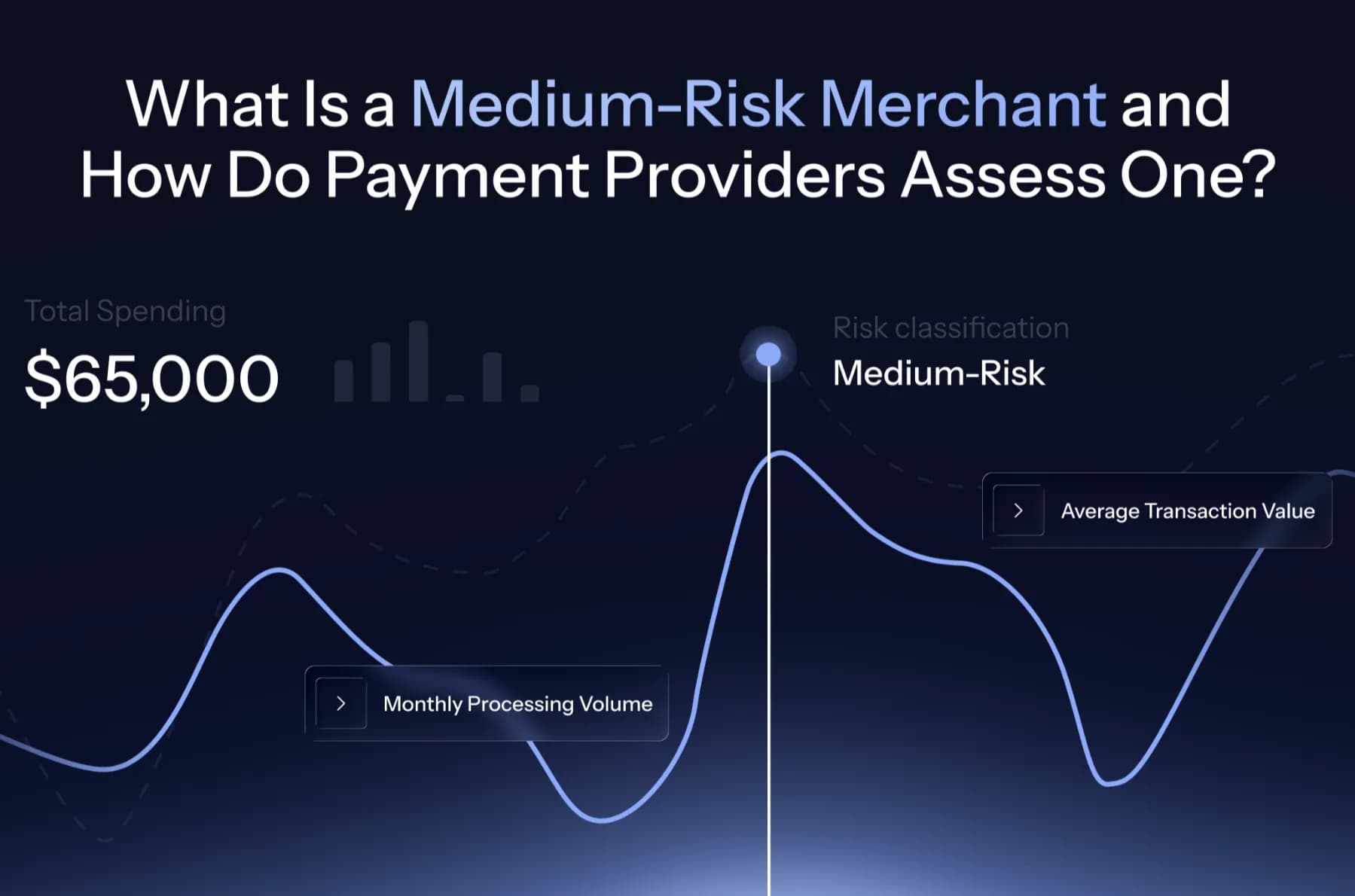
What Is a Medium-Risk Merchant and How Do Payment Providers Assess One?
A medium-risk merchant is a business that is neither low risk nor high risk, but has a medium risk profile.
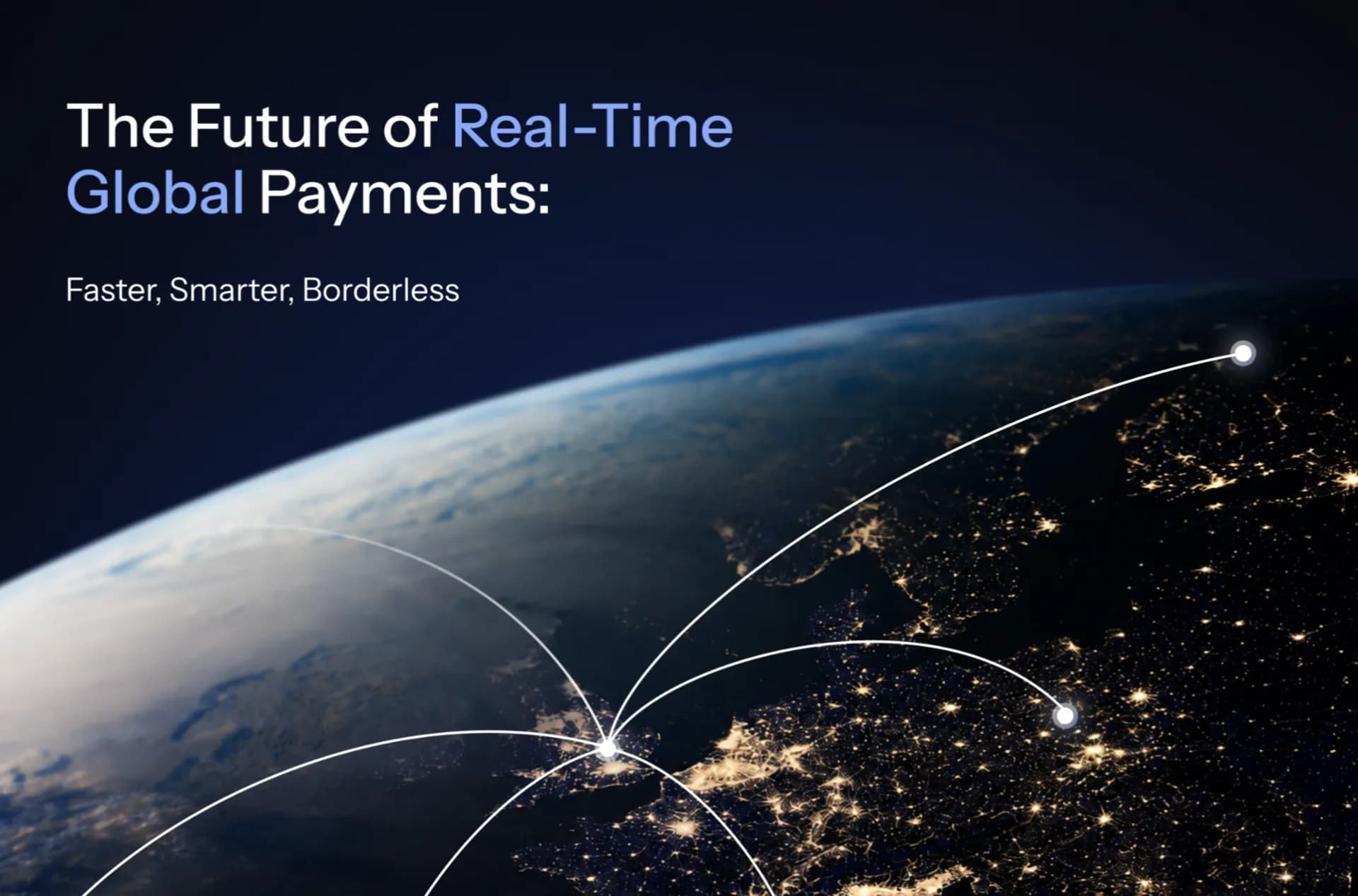
With consumers and merchants alike now demanding real-time transaction settlement as standard, payment orchestration is fast becoming a strategic growth driver.
The real-time payments market has transformed as it has surged in size. Estimates put the scale of instant payments at $37trn in 2026, with growing masses of consumers and merchants alike now demanding increasingly faster payments. This has thrown the global payments industry towards a new era, defined by profitability, institutional discipline and the total commodisation of real-time rails. With real-time fund transfers now more crucial than ever, viewed as must-have rather than an added bonus, this has brought a new focus to the infrastructure supporting these solutions.
Real-time payments have become a critical strategic growth driver. Providers that can offer such instant account-to-account payments – regardless of distance or complexity – will be the ones that stand ahead of the competition. More is being expected of payment providers simply because of standards being lifted elsewhere. We, as consumers, now expect next-day delivery with e-commerce, taxis than can be hailed on every corner and other seamless digital solutions secured by the device in the palm of our hand. Instant gratification has surged off the back of digital innovation, and payments are no different.
But how can the payments industry satisfy these heightening demands, at a time when global payment traffic is surging in both size and complexity? This is why real-time payment orchestration is becoming more important than ever before.
Payment modernisation means change is coming to underlying infrastructure that this industry relies on. Much of the global payments world developed organically over time with singular rails linking between points bilaterally. This worked fine when cross-border transactions traffic was relatively slow and modest but rapidly growing and evolving real-time payments behaviour means this infrastructure is no longer sufficient.
Instead, we see a world where interconnected rails are more heavily used with payment providers relying on heavily integrated RTP networks around the world.
Region | System | System Type | Key Feature |
|---|---|---|---|
United States | FedNow | Interbank RTP | 24/7/365 settlement via Federal Reserve Banks; ubiquity achieved via 9,000+ banks. |
EEA | SEPA Instant | Regional RTP | Mandatory participation for payment providers, enabling pan-European sub 10 second clearing |
Brazil | PIX | Central Bank System | The world leader in P2B and P2P adoption via aliases and QR codes |
India | UPI | Interoperable Interface | High volume mobile first A2A (account to account) transfers |
However, these networks will only help the industry meaningfully progress towards real-time payments if they are properly integrated. This brings us to the orchestration layer – an overlay of infrastructure that sits atop everything else, providing real-time connectivity. The need for real-time payments orchestration has already seen Visa Direct and SWIFT (utilising the ISO 20022 standard) transition from simple messaging services to providing vital cross-border bridges, facilitating interoperability between these disparate liquidity pools.
At Cardaq, we have developed our own orchestration layer known as the Teido Financial Operating System or TFOS. This is supported by a backbone called Kafka, the most popular open source stream processing software available for collecting, processing, storing and analysing data at scale. We refer to this is a backbone because it truly forms the spine that supports everything else when it comes to on-demand payments.
Whether it is a scheme authorisation, a ledger posting, or a treasury rebalancing recommendation, every state change is streamed as a real-time event. This eliminates the issues raised by legacy systems and ensures that reconciliation is a continuous process rather than an end-of-day batch task. And this is what’s required – continuous reconciliation.
Commercial demand is proving a significant driver for real-time payments, with a whole new economy of user demands to satisfy. Millions of gig workers, who all require immediate if not real-time reconciliation, are driving this and the many gig economy platforms supporting these markets need instant liquidity.
The importance of liquidity management cannot be understated. Payment providers require instant access to liquidity at all times, enabling them to still make instant payouts in the event of any shortfalls from client payments. Gig economy payments also need to completely integrate with payroll processing from an employer perspective, and many workers will also be needing the ability to make faster remittances.
To support this demand for real-time money movement, and instill better liquidity management, TFOS enables a "closed-loop" financial ecosystem where value moves between participants within the same ledger environment instantly. This bypasses the latencies of external clearing networks, allowing for wallet-to-wallet transfers in milliseconds.
However, with greater speed comes greater risk. Everyone involved in the payment processing chain, from the processing platforms to the merchants and end-users, wants the payment to be executed as quickly as possible.
Enabling secure real-time payments means doing more from the outset to have the correct payment security measures in place. Criminals already thrive by deception with online payments, and as more transactions are executed every day there are simply more targets for them to attack. The loss of the "recall window" in real-time payments has empowered a new generation of threats, specifically APP fraud and AI-generated deepfakes. TFOS defends this perimeter through its Compliance & Intelligence Layer, treating risk as a real-time infrastructure component.
This involves going beyond static KYC data as the security measures of yesterday can easily be circumvented by increasingly savvy criminals. Powerful AI-enabled monitoring allows for better understanding and identify verification of users – such as the use of behavioural analytics which use patterns of interaction that define a user’s unique digital signature. Real-time payments thrive on mobile technology, meaning a larger role for biometric security features and multi-factor authentication.
The future of real-time global payments isn’t just about cross-border transactions and instant settlement. It’s also about recognising the fact that, in the ongoing evolution of cashless society trends, a growing variety of payment formats are being used. CBDC development is continuing to gain traction in major markets around the world, stablecoin payments are fast becoming a trusted mark of verification and the use of blockchain technology in payments is now increasingly the platform for innovation.
In the spirit of interoperability, TFOS is designed to treat fiat and digital assets as first-class citizens within the same environment. Through major partnerships, TFOS integrates stablecoins like USDC and EURC directly into the core. Tokenisation plays a crucial role here, with digital assets reconciled within the same domain-driven ledger environment as fiat currencies. A blockchain event such as a stablecoin mint or transfer is indexed into the core via Kafka and reconciled against the internal liability model in real-time. This ensures a singular, unified view of the institution’s financial state across both traditional banking and blockchain rails.
Through the power of the orchestration layer, which is continuously executing transactions between disparate networks, we are now seeing the concept of invisible payments being fully realised. These are automated transactions that hum along in the background are part of the reason we are able to use ride-hailing apps, walk-out grocery shops and auto-renew subscriptions – bringing unprecedented ease and convenience to the role payments play in our day to day lives.
When we talk about ‘the future of real-time global payments’ we should be honest there’s a slight inaccuracy with this statement – the future is already here. Instant settlement is today being used by leading players in all sectors and the most globally ambitious companies have already established infrastructure that allows them to make real-time payments in any geography they want to expand into.
As such, the move to an AI-native, sovereign infrastructure is no longer a luxury for forward-thinking firms. It’s quite simply a necessity for survival in a real-time world. Building new instant payment rails is out of financial reach for many, which is pre-existing real-time payment orchestration solutions are so valuable. With TFOS, businesses eliminate the technical debt of legacy middleware and gain total control over their data, their routing logic, and their financial future.
For organisations ready to lead the 2026 global payments landscape, the transition follows a clear three-step checklist:
Establish a Ledger-First Financial Core: Move beyond administrative dashboards to an immutable PostgreSQL-based ledger that serves as the single source of truth for all balances and liabilities.
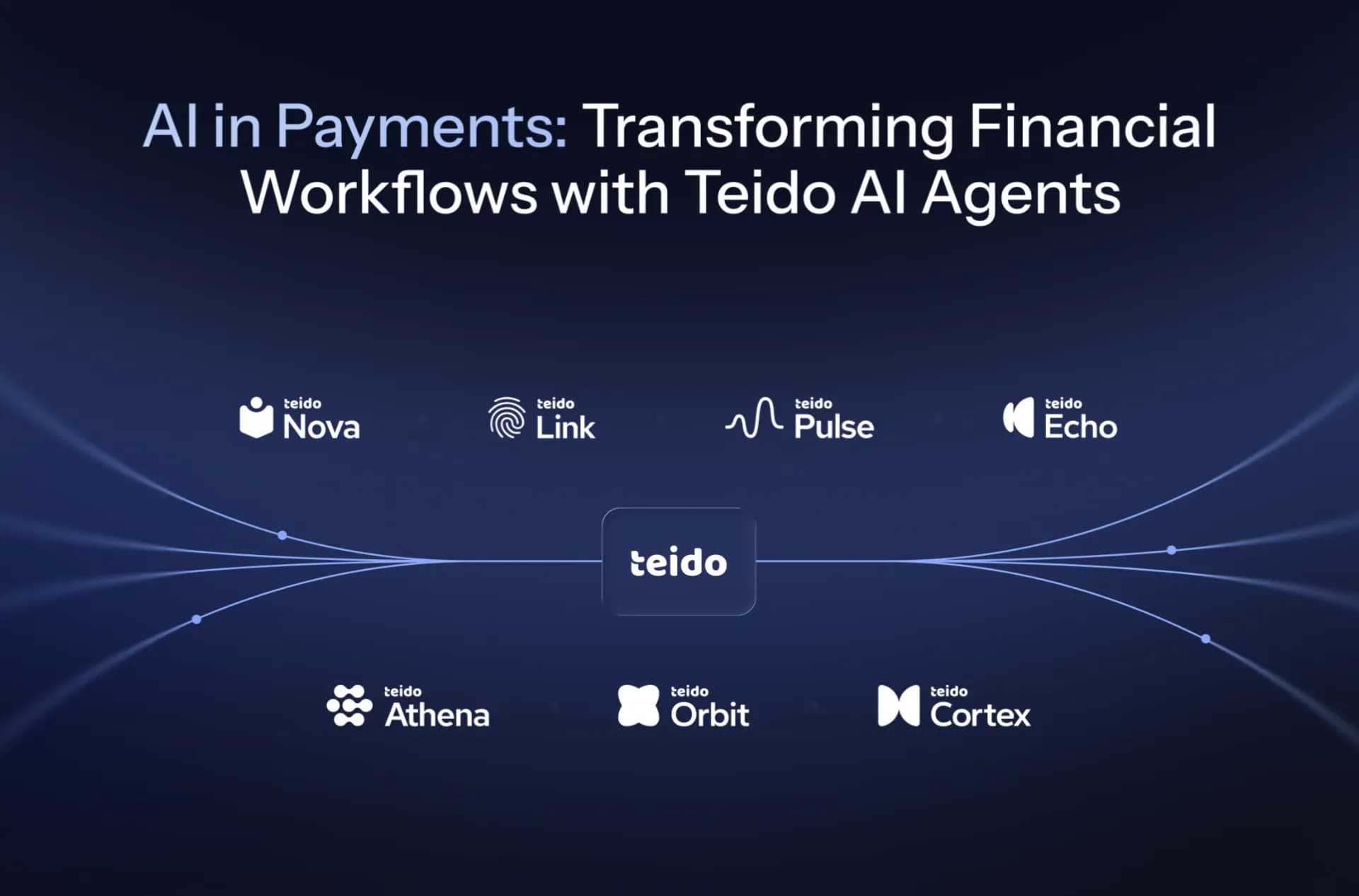
Integrate AI-Native Orchestration: Deploy the Teido suite Nova, Orbit, Cortex, Echo, Link, and Athena to manage the high-velocity risks of treasury, compliance, and communications.
Achieve Infrastructure Sovereignty: Move toward direct scheme connectivity and internalise the PII Isolation Vault, ensuring your business is compliant by design and ready for the next decade of financial innovation.
Cardaq provides the foundational infrastructure for this new era. A world of real-time payment orchestration and instant payment processing is no longer just about moving value; it’s about moving it with intelligence, sovereignty, and speed. The future of global banking is sovereign. The future is TFOS.
If you want to learn more about TFOS, and other ways Cardaq can support your organisation’s real-time payment ambitions, please contact the team today.
AUTHOR

Cardaq Team
13 August, 2026